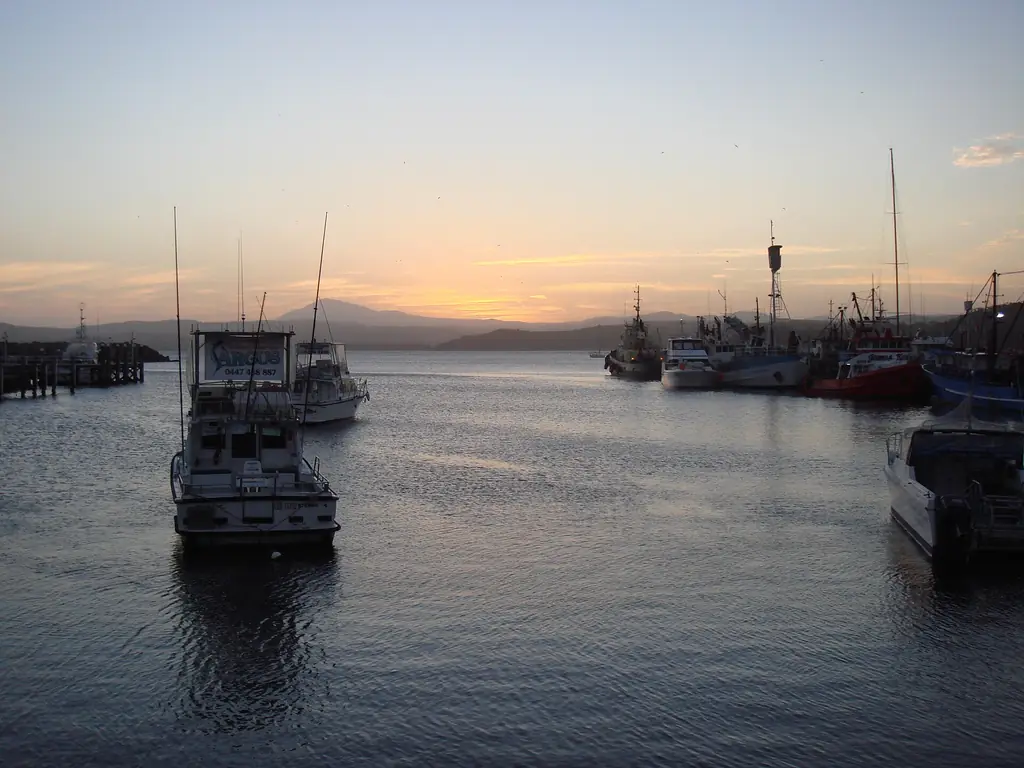
The Sapphire Coast has a mild temperate climate. Summers are warm rather than hot, and winters are cool but often sunny.
Summer (December–February)
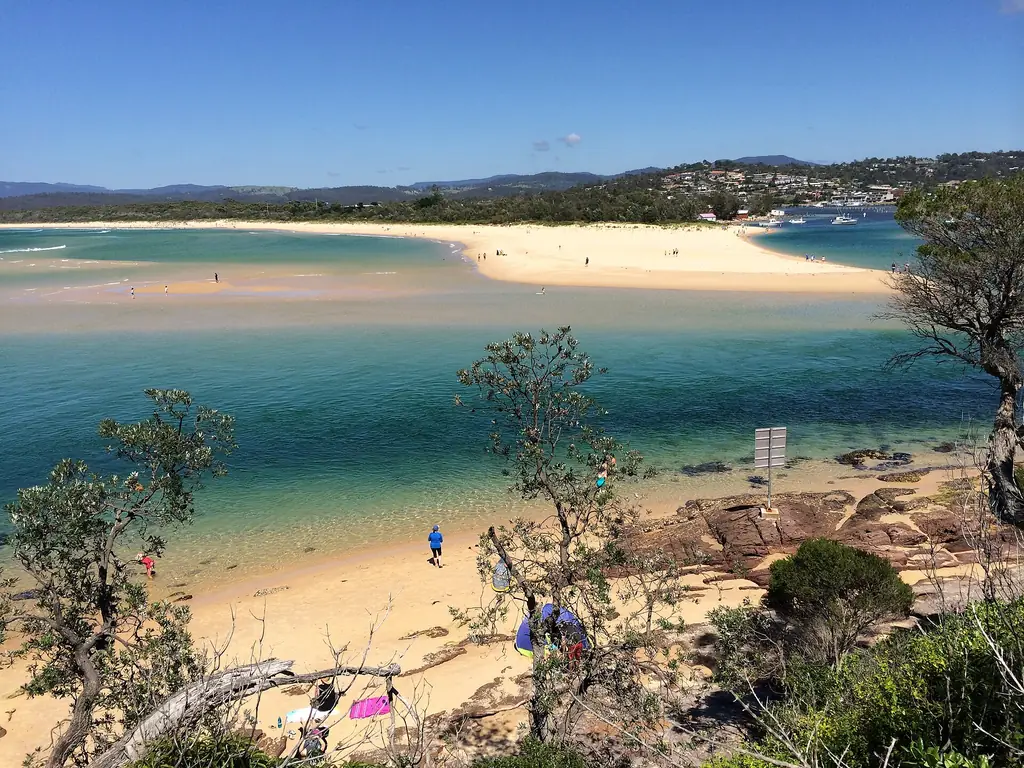
Peak season for beaches and swimming. School holidays bring crowds; book accommodation and campsites well ahead. Bushfire risk is highest — check alerts.
Autumn (March–May)
Often the most settled weather, with warm water early in the season and far fewer people. Excellent for walking.
Winter (June–August)
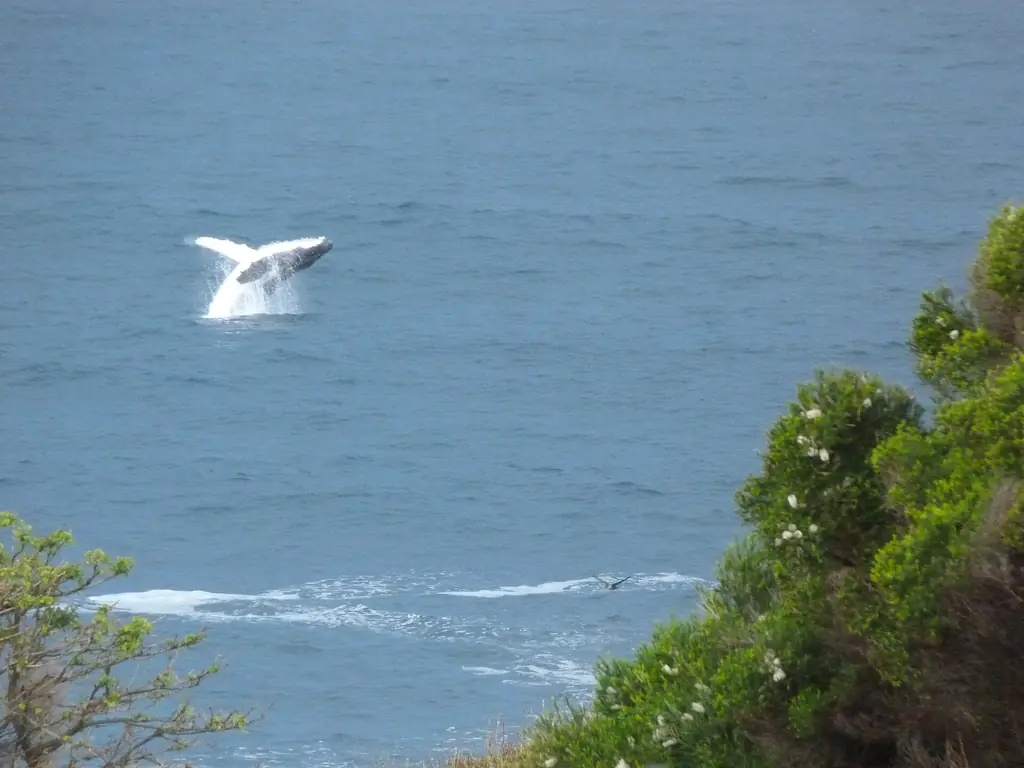
Quiet and cool, with clear days. Humpbacks pass on the northern migration. Good value accommodation.
Spring (September–November)
Whale season peaks as humpbacks and calves rest in Twofold Bay. Wildflowers bloom in the heath. The Eden Whale Festival is held in spring.
Our pick
Late October to November for whales, or March for beaches without crowds.
Weather at a glance
Summer days are typically warm with cooling sea breezes, while winter days are mild and often clear, with cold nights inland. Rain can fall at any time of year, and the coast occasionally gets heavy rain from coastal lows. Check the Bureau of Meteorology forecast before travel.
Events and crowds
School holidays, Easter and long weekends fill accommodation and campsites. The Eden Whale Festival in spring draws visitors to Eden. If you prefer quiet, aim for late autumn or early spring weekdays.
Related guides
Frequently asked questions
What is the best month to visit the Sapphire Coast?
October or November for whales; March for quiet beaches and warm water.
Is the Sapphire Coast busy in summer?
Yes, especially in January school holidays.
Is it worth visiting in winter?
Yes, for quiet towns, clear days and the northern whale migration.
When is the Eden Whale Festival?
It is usually held in spring; check the festival’s official website for this year’s dates.